

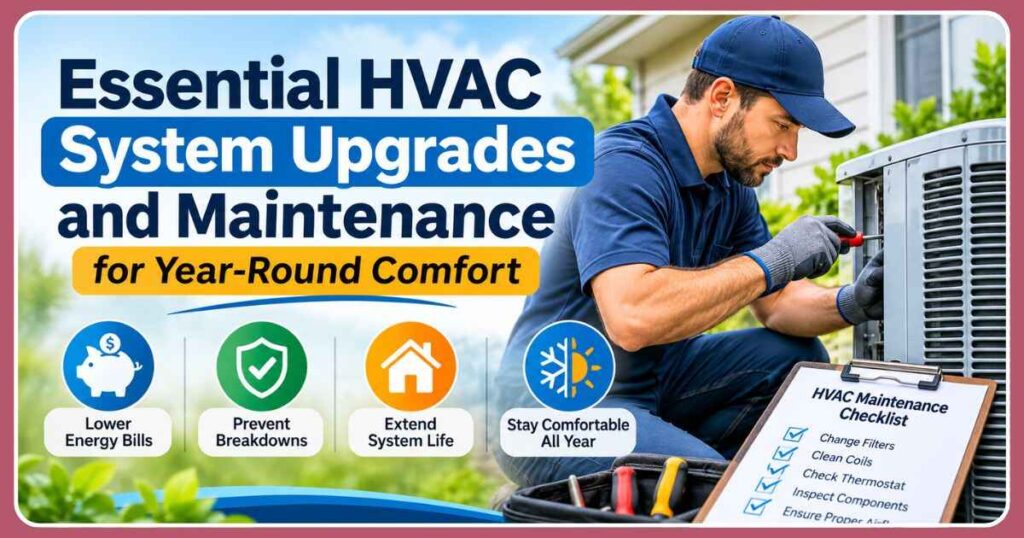
The Economic Case: Reactive Breakdown vs Routine HVAC System Maintenance
The decision between waiting for an HVAC system to fail and proactively maintaining it boils down to a fundamental economic choice. While reactive maintenance might seem to save upfront costs, the long-term financial implications are staggering. Our research consistently shows that preventive maintenance (PM) is not just a best practice; it’s a strategic investment with a profound return.
Consider the numbers: a well-executed preventive maintenance program delivers a documented 545% return on every dollar invested. This isn’t merely about avoiding repairs; it’s about optimizing performance across the board. A neglected HVAC system, by contrast, consumes 20% more energy, fails 3 to 5 times more expensively, and dies 8 to 10 years earlier than a maintained one. These statistics underscore a critical truth: every dollar spent on reactive breakdown repairs is typically three to five times more expensive than the same work performed during a planned PM visit.
The consequences of neglect extend beyond simple repair costs. Unplanned downtime, especially in commercial settings, can be catastrophic. A single rooftop unit failure during the peak summer heat can cost a business anywhere from $8,000 to $18,000 or more, encompassing not just the repair but also potential revenue loss, spoiled goods, or discomfort-related complaints. Structured PM programs, however, have been shown to reduce unplanned downtime by an impressive 73%, effectively extending equipment life from an average of 12 years to over 20. This asset longevity translates directly into deferred capital expenditures for system replacement.
To illustrate the stark contrast, consider the following comparison:
Cost Factor Reactive Breakdown Scenario (Estimated, October 2026) Preventive Maintenance Scenario (Estimated, October 2026)
- Compressor Repair $8,000 – $45,000 $150 – $300 (for inspection)
- Heat Exchanger Repair $2,000 – $6,000 + CO liability $100 – $200 (for annual crack inspection)
- Blower Motor Repair $450 – $1,800 $80 – $150 (for quarterly lubrication/belt check)
- Condenser Coil Repair $1,200 – $3,800 $200 – $500 (for annual cleaning)
- Refrigerant Leak Repair $600 – $2,500 + EPA fees $100 – $200 (for quarterly checks)
- Energy Consumption 20-40% higher Optimized, 5-20% reduction
- Equipment Lifespan 8-10 years shorter 8-10 years longer (30-40% extension)
- Unplanned Downtime Frequent, costly (e.g., $8k-$18k+ for RTU failure) Reduced by 73%
- Annual Maintenance Cost (Not applicable, only repairs) $150–$500 (residential), $1,500–$6,000 (commercial)
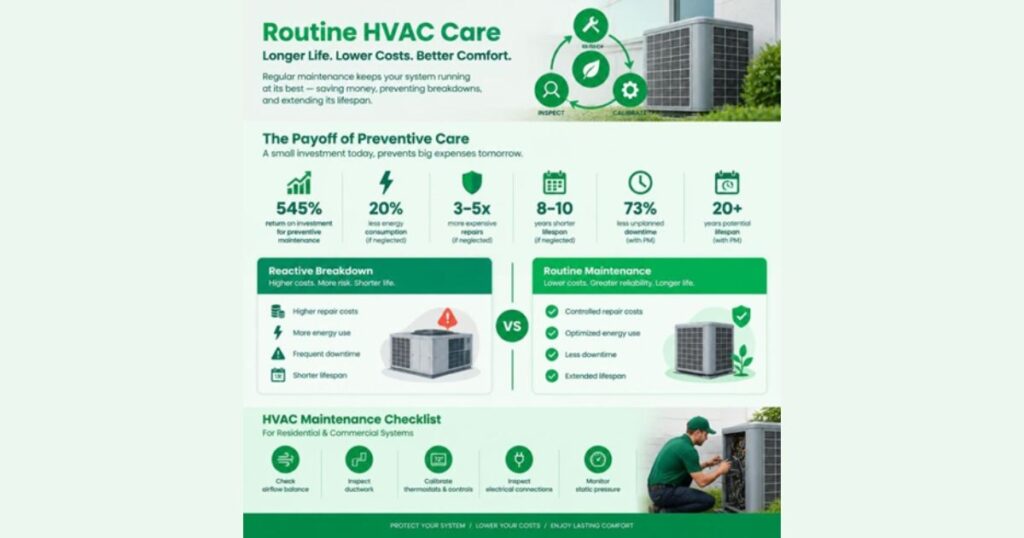
This table clearly demonstrates that shifting from a reactive “fix-it-when-it-breaks” mentality to a proactive, routine maintenance schedule transforms HVAC management from a cost center into a significant source of savings and operational stability.
Core Checklist: Essential Steps for Residential and Commercial Systems
Implementing a comprehensive HVAC maintenance checklist is the backbone of any effective system management strategy. While the specifics may vary between residential and commercial properties due to system complexity and usage demands, the underlying principles of inspection, cleaning, and calibration remain constant.
Key areas of focus include ensuring proper airflow balancing, maintaining ductwork integrity, calibrating thermostats and controls, inspecting electrical connections, and monitoring static pressure within the system. Regular system inspection helps identify minor issues before they escalate into major, costly failures.
Critical Mechanical and Electrical Components in HVAC System Maintenance
At the heart of any HVAC system are its mechanical and electrical components, each requiring diligent attention.
- Filter Changes: This is arguably the simplest yet most impactful task. Clogged filters restrict airflow, forcing the system to work harder, which can increase fan energy use by 15-20% per cycle. For residential systems, monthly checks are ideal, while commercial properties might require monthly to quarterly replacements based on pressure differential readings, with pre-filters often needing replacement when the pressure drop exceeds 0.5 inches of water gauge.
- Coil Cleaning: Both condenser and evaporator coils are critical for heat exchange. Dirty condenser coils can increase energy consumption by up to 30%, while a fouled evaporator coil can lead to icing and reduced cooling capacity. Quarterly cleaning for commercial systems and annual cleaning for residential units are generally recommended.
- Motor Bearings and Blower Assemblies: Proper lubrication of motor bearings and inspection of blower assemblies (including belts) are vital for efficient operation. Neglecting these can lead to increased friction, higher energy consumption, and premature motor failure. Quarterly lubrication and belt inspection can cost as little as $80-$150, preventing a blower motor emergency repair that could cost $450-$1,800.
- Refrigerant Charge: Verifying the refrigerant charge involves measuring superheat (for fixed-orifice systems) or subcooling (for expansion valve systems) against manufacturer specifications. Simply “topping off” refrigerant is not a maintenance procedure; a low charge indicates a leak that must be identified and repaired, as per EPA Section 608 regulations. Quarterly refrigerant checks, costing $100-$200, can prevent emergency leak repairs ranging from $600-$2,500, plus potential EPA fines.
- Electrical Components: Regular inspection of contactors, capacitors, and wiring connections is essential. Loose connections can cause arcing, leading to component failure or even fire. Testing capacitors ensures they hold the correct charge, preventing motor strain. These checks help prevent costly emergency repairs, such as compressor failures (which can range from $8,000 to $45,000) or condenser coil issues ($1,200-$3,800).
Ventilation, Economizers, and Air Purity Upgrades
Beyond basic mechanical checks, optimizing ventilation and ensuring superior indoor air quality (IAQ) are paramount, especially in commercial environments.
- Economizer Dampers: Often overlooked, economizers are designed to use cool outdoor air to reduce mechanical cooling when conditions allow. However, a stuck economizer damper can waste thousands of dollars a year on a single unit by drawing in warm air when it shouldn’t or failing to utilize free cooling. Regular inspection and calibration of these dampers are crucial.
- Ventilation Rates and IAQ: Maintaining adequate ventilation rates is essential for occupant health and comfort. This includes verifying damper operation and ensuring proper outdoor air intake. To enhance IAQ, upgrading to higher MERV (Minimum Efficiency Reporting Value) filtration, such as MERV 13 or higher, is a significant step, especially in occupied spaces.
- Legionella Prevention: For systems with cooling towers or humidifiers, managing the risk of Legionella bacteria is critical. ASHRAE 188 mandates documented monthly basin inspections to prevent stagnant water and biofilm growth. Regular cleaning and treatment of drain pans, ensuring no standing water, also contribute to a healthier environment. For comprehensive strategies to improve the breathing environment within your facilities, consider consulting experts in indoor air quality services. These specialized services can assess your specific needs and implement solutions that go beyond basic maintenance, ensuring a safe and healthy environment for all occupants.
Seasonal Scheduling and Freeze Protection for Year-Round Comfort
Optimal HVAC performance and longevity are deeply tied to seasonal maintenance. Each season presents unique challenges and demands on your system, requiring specific preventative measures.
- Spring Cooling Prep: Before the summer heat arrives, spring is the time to prepare your cooling system. This includes thorough cleaning of condenser coils, checking refrigerant levels (and fixing any leaks), inspecting electrical connections, and calibrating thermostats. Ensuring your system is ready for the cooling load prevents breakdowns during peak demand.
- Summer Peak Demand: During summer, focus shifts to monitoring system performance, addressing any airflow issues, and ensuring consistent cooling. This is when neglected systems often fail, leading to costly emergency heating and cooling repair.
- Fall Combustion Checks: As temperatures drop, attention turns to heating systems. Fall maintenance involves inspecting heat exchangers for cracks, performing flue gas analysis for combustion efficiency and safety, and verifying all safety controls.
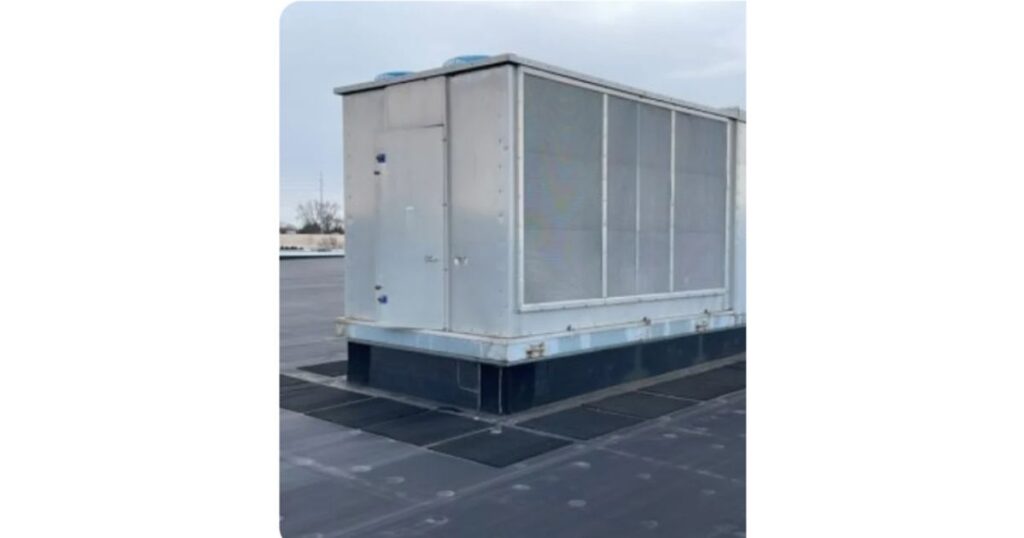
- Winter Freeze Protection: Winter brings the critical need for freeze protection. Tasks include testing freeze stat operation, verifying heating coil valves, confirming BMS warm-up sequences, insulating exposed piping, and draining cooling tower basins. A failed freeze stat or stuck heating coil valve can lead to freeze damage, costing an average of $25,000 to $80,000 per air handling unit (AHU) – a preventable expense.
Seasonal Procedures for Year-Round HVAC System Maintenance
Beyond general seasonal checks, specific procedures ensure your system operates efficiently and safely throughout the year:
- Approach Temperature Monitoring: For chillers, monitoring the “approach temperature” (the difference between the leaving chilled water temperature and the refrigerant evaporating temperature) is a crucial indicator. An approach temperature consistently above 3°F indicates evaporator fouling, signaling a need for cleaning before efficiency significantly degrades. Similarly, a chiller consuming more than 15% above its design kW/ton should be cleaned and serviced before the next peak cooling season.
- Cooling Tower Maintenance: Cooling towers are prone to scale buildup. Scale on heating surfaces above 1/16 inch thickness can increase fuel consumption by 8-12%. Regular cleaning and water treatment are essential to maintain efficiency and prevent corrosion.
- Flue Gas Analysis and Heat Exchanger Integrity: For combustion systems, flue gas analysis is vital. It helps detect inefficiencies and, more critically, identify potential heat exchanger cracks. A crack can be flagged by an oxygen (O2) shift over approximately 0.5% or a carbon monoxide (CO) change over approximately 25 ppm when the blower starts. This check is paramount for preventing the dangerous release of carbon monoxide into occupied spaces.
- Carbon Monoxide Detection: Beyond flue gas analysis, ensuring functional carbon monoxide detectors, particularly near heating equipment, is a non-negotiable safety measure.
- Airflow Drift and Static Pressure: Over time, airflow can drift due to duct leakage, dirty coils, or fan issues. Measuring static pressure and balancing airflow annually ensures conditioned air reaches its intended destinations efficiently, preventing hot or cold spots and reducing energy waste.
Predictive Technologies and Fleet Management Across Multiple Buildings
As HVAC systems become more sophisticated, so too does their maintenance. Moving beyond fixed-schedule preventive maintenance, predictive maintenance (PdM) leverages cutting-edge technologies to anticipate failures before they occur. This approach transforms maintenance from a calendar-driven task to a condition-based strategy, optimizing resource allocation and minimizing unexpected downtime.
Predictive maintenance relies heavily on condition monitoring through IoT sensors. These sensors can track a multitude of parameters in real-time, including vibration levels in motors, temperature differentials across coils, static pressure, refrigerant pressures, and even power consumption. For example, sudden changes in vibration patterns can indicate impending bearing failure, while a consistent increase in motor amperage might signal a developing electrical issue or an overloaded fan.
Vibration analysis, a key PdM technique, can detect imbalances, misalignment, or bearing wear in rotating components long before audible symptoms appear. Similarly, thermal imaging can identify hot spots in electrical connections or motor windings, preventing electrical failures.
For organizations managing multiple buildings or a large fleet of HVAC units, a Computerized Maintenance Management System (CMMS) becomes indispensable. Platforms like OxMaint or Operio centralize asset records, allowing facilities managers to track every piece of equipment across different locations. These systems automate work order generation based on predefined schedules or, more powerfully, triggered by sensor data. This means that instead of a technician inspecting a perfectly healthy unit, they are dispatched precisely when a component shows early signs of distress.
CMMS solutions also facilitate multi-site tracking and provide digital operating logs, capturing every maintenance activity with timestamps, photos, and technician notes. This rich data history is crucial for trend analysis, identifying recurring issues, and optimizing maintenance strategies. The benefits are tangible: Operio users, for instance, report holding equipment uptime at an impressive 96% and cutting unplanned spend by roughly 30% by integrating this data-driven approach. This level of insight allows for proactive interventions, reducing emergency call-out frequency by as much as 65% and extending the major equipment life by 30 to 40%.
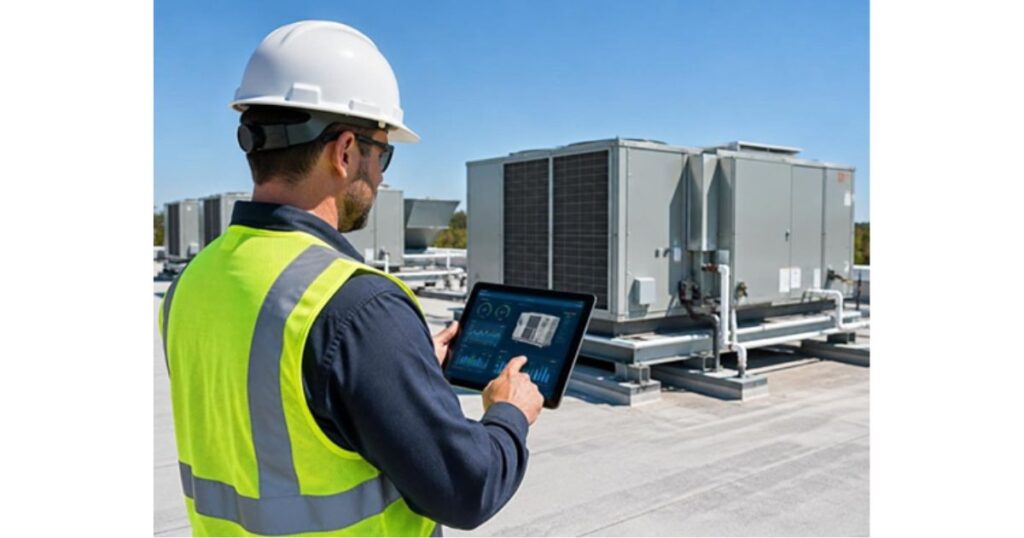
Safety Protocols, Regulatory Compliance, and Professional Servicing
Safety should always be the top priority in any HVAC maintenance operation. Working with electrical components, refrigerants, and combustion systems inherently carries risks that necessitate strict adherence to safety protocols and regulatory compliance.
One of the most critical safety procedures is lockout/tagout (LOTO). Before any maintenance or repair work begins on an HVAC unit, all energy sources (electrical, mechanical, pneumatic, etc.) must be identified, de-energized, locked out, and tagged to prevent accidental startup. This protects technicians from sudden energy releases that could cause serious injury or death.
Beyond LOTO, technicians must be well-versed in handling refrigerants. EPA Section 608 regulations are stringent, prohibiting the intentional venting of refrigerants into the atmosphere and imposing strict leak-repair obligations for larger systems. Proper refrigerant recovery equipment and procedures are mandatory to protect the environment and avoid hefty fines. Adherence to OSHA standards is also crucial, covering everything from personal protective equipment (PPE) requirements to ladder safety and confined space entry protocols.
Combustion safety is another paramount concern, particularly for gas-fired furnaces and boilers. This involves thorough checks of flue gas venting, ignition systems, and safety limit switches to prevent carbon monoxide leaks or fire hazards.
Given the complexity and potential hazards involved, engaging certified hvac technicians is not just a recommendation but often a necessity. These professionals possess the specialized knowledge, training, and certifications required to perform tasks safely and effectively. They are familiar with industry benchmarks like ANSI/ASHRAE/ACCA Standard 180, which sets the minimum requirements for HVAC PM tasks and intervals, ensuring that your system is maintained to the highest standards. Relying on qualified and experienced personnel ensures that all safety protocols are meticulously followed, regulatory requirements are met, and maintenance tasks are executed correctly, safeguarding both the equipment and the people around it.
More Guide: Building Smarter Construction Budgets Through Accurate Quantity Takeoffs
Frequently Asked Questions About Heating and Cooling Systems
We often encounter common questions from both residential and commercial property owners regarding HVAC system maintenance. Here, we address some of the most pressing concerns to help you better understand your system’s needs.
How often should HVAC systems be serviced for commercial versus residential properties?
The frequency of HVAC servicing largely depends on the type of property and the intensity of system usage.
- Residential Properties: For homes, we recommend at least one professional visit per year. Ideally, two visits annually – one in the spring to prepare for the cooling season and another in the fall to ready the system for heating – provide optimal care. This bi-annual scheduling ensures that both heating and cooling components are inspected, cleaned, and tuned for efficiency before they are heavily relied upon.
- Commercial Properties: Commercial HVAC systems, being larger, more complex, and subject to heavier loads, require more frequent attention. Rooftop units (RTUs) often benefit from quarterly inspections, while critical facilities or those with high-demand systems might require monthly visits. Beyond professional servicing, monthly filter checks are a common practice in commercial settings, especially in high-dust or high-occupancy environments. The goal is to prevent minor issues from escalating and to maintain consistent performance under continuous operation.
What is the core difference between preventive and predictive maintenance?
While both preventive and predictive maintenance aim to avoid system failures, their approaches differ significantly:
- Preventive Maintenance (PM): This is a schedule-based approach. PM involves performing maintenance tasks at fixed calendar intervals (e.g., monthly, quarterly, annually) or after a certain amount of operating hours, regardless of the equipment’s actual condition. Examples include changing filters every three months or cleaning coils once a year. It’s about preventing problems through routine care.
- Predictive Maintenance (PdM): This is a condition-based approach. PdM utilizes real-time sensor data and condition monitoring techniques (like vibration analysis, thermal imaging, or fluid analysis) to assess the actual health and performance of equipment. Maintenance is performed only when the data indicates a component is showing signs of impending failure. This allows for more precise scheduling, minimizing unnecessary maintenance while maximizing uptime. PdM is essentially a more advanced, data-driven evolution of PM, moving from “when” to “when needed.”
What are the earliest warning signs that a system requires immediate service?
Recognizing early warning signs can save you from costly emergency repairs and prolonged discomfort. Here are some key indicators that your HVAC system needs immediate attention:
- Unusual Noises: Squealing, grinding, banging, or persistent rattling sounds often point to mechanical issues like worn bearings, loose belts, or obstructions within the blower fan.
- Short Cycling: If your system turns on and off frequently in short bursts, it’s “short cycling.” This can indicate an oversized unit, a refrigerant leak, a clogged filter, or an electrical issue, and it significantly increases wear and tear.
- Ice Accumulation: Ice on the evaporator coil (indoor unit) or refrigerant lines usually signals a problem with airflow restriction (e.g., dirty filter, blocked return vent) or a low refrigerant charge.
- Significant Energy Spikes: A sudden and unexplained 15-20% rise in energy bills, without a corresponding increase in usage, is a strong indicator of declining efficiency due to a system fault.
- Unpleasant Odors: Burning smells can signal electrical issues, while a musty odor often indicates mold or mildew in the ductwork or drain pan. A “rotten egg” smell could indicate a gas leak and requires immediate evacuation and professional help.
- Poor Airflow or Inconsistent Temperatures: If some rooms are significantly warmer or cooler than others, or if airflow from vents is weak, it could point to ductwork issues, a failing blower, or a problem with zone dampers.
- Water Leaks: Puddles around your indoor unit or furnace can indicate a clogged condensate drain line, which can lead to water damage and mold growth.
Addressing these signs promptly can prevent minor issues from escalating into major system failures, ensuring your comfort and extending the life of your HVAC equipment.
Conclusion
Our journey through HVAC system maintenance reveals a clear and compelling narrative: proactive care is not merely an option but a strategic imperative. From the staggering 545% return on investment for preventive maintenance to the dramatic reduction in unplanned downtime and extended equipment lifespans, the economic case is undeniable. By embracing a structured approach, residential and commercial property owners can transform their HVAC systems from potential liabilities into reliable assets.
Implementing a comprehensive checklist, understanding the critical mechanical and electrical components, and prioritizing ventilation and indoor air quality are fundamental steps. Seasonal scheduling, coupled with rigorous freeze protection measures, ensures that systems are prepared for the unique demands of each climate. Furthermore, the integration of predictive technologies and robust fleet management systems offers unparalleled control and efficiency for multi-building operations.
Effective HVAC maintenance is about more than just keeping the air flowing; it’s about safeguarding investments, ensuring year-round comfort, achieving significant energy reductions, and mitigating risks. By adopting these best practices and partnering with certified professionals, we can ensure our HVAC systems operate at their peak, providing comfort and peace of mind for years to come.
Discover More Guides:
