

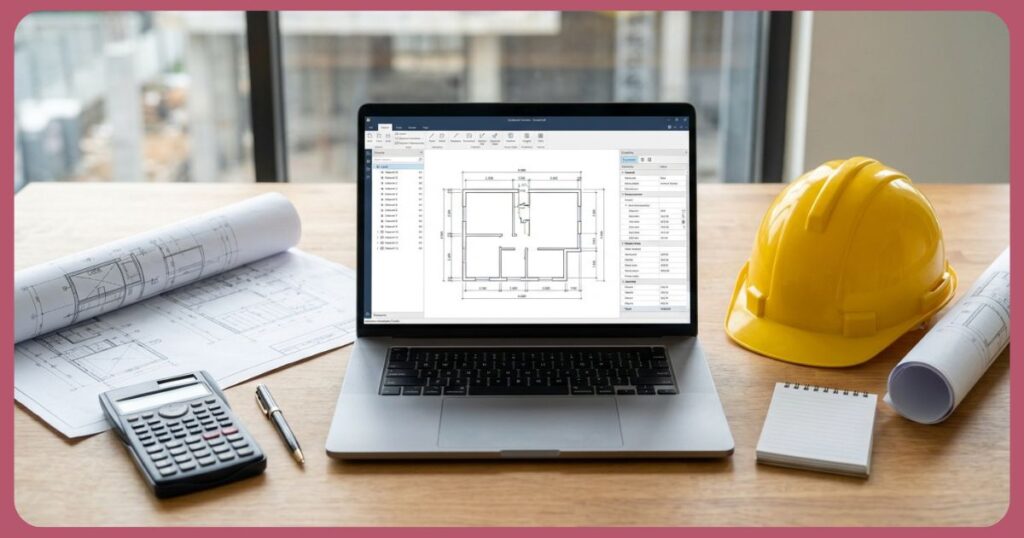
Every successful construction project begins with a clear understanding of its requirements, costs, and available resources. Before contractors purchase materials, hire subcontractors, or establish construction schedules, they need reliable information about the work involved. An accurate estimate provides this foundation by connecting project drawings with material quantities, labor requirements, and anticipated expenses.
Poor cost planning can create problems long before construction begins. Missing quantities, outdated prices, and incomplete measurements may lead to inaccurate bids and unexpected expenses. For this reason, contractors increasingly recognize the importance of detailed estimating procedures when preparing proposals and managing project budgets.
Understanding the Value of Quantity Takeoffs
A quantity takeoff is the process of measuring and listing the materials and components required for a construction project. Estimators examine architectural drawings, structural plans, and engineering documents to determine the quantities needed for different construction activities.
These calculations may include concrete volumes, wall areas, roofing measurements, steel quantities, lumber requirements, flooring, and interior finishes. Mechanical, electrical, and plumbing systems may also require specialized measurements.
Professional construction takeoff services help contractors organize this information into clear, practical reports. Instead of estimating material requirements through rough assumptions, businesses receive a more structured breakdown of the work.
For example, a contractor preparing a bid for a commercial building needs to understand the quantities associated with foundations, structural framing, exterior walls, insulation, and interior finishes. Each component contributes to the total project cost, so overlooking even one major category can affect the accuracy of the proposal.
Detailed takeoffs also support purchasing decisions. When contractors understand the quantities required, they can request more accurate supplier quotations, compare prices, and plan deliveries according to the construction schedule.
Why Accurate Estimates Matter for Contractors
An estimate is more than a final project price. It is a planning document that helps contractors understand where money will be spent and which activities require careful financial control.
A complete construction estimate generally considers material costs, labor, equipment, subcontractor expenses, transportation, and other project-related charges. Depending on the scope, estimators may also account for waste factors, temporary facilities, and special installation requirements.
Accurate estimates help businesses determine whether a project aligns with their financial objectives. They also provide a basis for comparing bids and evaluating potential risks before signing a contract.
When a project contains several trades, organized cost breakdowns make it easier to identify expensive activities and review quotations. Contractors can examine individual cost categories rather than relying solely on one overall figure.
This approach improves transparency and allows project teams to investigate unusual costs before they become financial problems.
Construction Estimating Services Texas: Planning for a Competitive Market
Texas offers a broad range of construction opportunities, including residential developments, commercial properties, warehouses, industrial facilities, and public infrastructure. Contractors operating in Houston, Dallas, Austin, and other growing markets must prepare bids that reflect the specific requirements of each project.
Professional construction estimating services Texas contractors use can help organize material quantities, labor calculations, and project costs into a comprehensive estimate.
Consider a warehouse development that requires extensive concrete work, steel framing, roofing, and electrical installations. Each trade involves different materials, installation methods, and pricing considerations. A detailed estimate allows the contractor to evaluate these components individually before combining them into the overall budget.
Local conditions also matter. Labor availability, transportation distances, supplier quotations, site access, and project schedules can influence construction expenses. Estimates should therefore reflect current information and the actual location of the work rather than relying exclusively on generic cost averages.
For contractors managing multiple bidding opportunities, a consistent estimating process can save valuable preparation time. Organized reports also make it easier to compare subcontractor quotations and identify items that need clarification before submission.
Construction Estimating Services New Jersey: Managing Project Complexity
Construction projects in New Jersey can involve new residential buildings, commercial renovations, multifamily developments, retail properties, and industrial improvements. Each project presents different requirements, particularly when existing structures, limited access, or detailed specifications are involved.
Reliable construction estimating services New Jersey businesses use can support more informed pricing decisions by breaking projects into manageable cost categories.
For example, renovating an existing office building may require removing selected finishes, installing new partitions, replacing flooring, upgrading electrical components, and modifying plumbing systems. Estimators must review the available drawings and specifications to determine which items are included in the proposed work.
When project documents are incomplete, clarification may be necessary before quantities and costs can be finalized. Identifying these issues during the estimating stage is generally more practical than discovering them after construction has started.
New Jersey contractors can also benefit from trade-specific estimates that separate structural work, masonry, roofing, mechanical installations, and interior finishes. These breakdowns support procurement planning and improve communication among project participants.
Digital Tools and the Modern Estimating Process
Construction estimating software has made it easier to measure digital drawings and organize project quantities. Tools such as Bluebeam Revu and PlanSwift can assist with calculating lengths, areas, counts, and other measurements from construction plans.
Digital workflows may also help estimators organize quantities by floor, material, or trade. This structure makes reports easier to review and can reduce repetitive manual work.
However, software cannot independently resolve every issue within a construction document. Missing dimensions, conflicting notes, and outdated drawing revisions still require careful examination by qualified professionals.
A reliable process combines digital measurement tools with experienced review. Estimators should verify important quantities, confirm the applicable drawing revisions, and document assumptions that may influence the final result.
Maintaining clear records is particularly important when designs change. Updated calculations allow contractors to understand how revised plans affect material requirements and project costs.
Common Problems That Affect Construction Budgets
Several estimating mistakes can reduce the reliability of a project budget.
Incomplete documentation reviews: Missing information from architectural or engineering drawings can result in overlooked work. Estimators should review all relevant documents before finalizing quantities.
Incorrect measurements: Errors in dimensions or calculations can lead to material shortages and unnecessary purchases. Important measurements should be checked systematically.
Unrealistic pricing assumptions: Material and labor costs vary by location, supplier, and project conditions. Current quotations and appropriate local information improve cost reliability.
Overlooked labor requirements: Installation complexity, productivity, equipment needs, and working conditions all influence labor expenses.
Poor change management: Revised drawings can affect quantities and pricing. Teams should record changes and update estimates when the project scope changes.
A structured review process helps contractors detect these problems early and improve the consistency of their proposals.
Improving Profitability Through Better Cost Control
Accurate estimating supports profitability by helping contractors understand the financial requirements of a project before committing resources.
Once construction begins, the original estimate can serve as a reference for monitoring actual expenditures. Project managers can compare planned costs with purchasing records, subcontractor invoices, and labor expenses to identify significant differences.
If material consumption exceeds expectations, the team can investigate whether the cause relates to waste, design changes, inaccurate quantities, or installation methods. This information can improve both current cost management and future estimating practices.
Contractors should also evaluate completed projects to identify recurring differences between estimated and actual costs. Historical project information can help refine labor productivity assumptions and improve the accuracy of future bids.
Conclusion
Reliable quantity takeoffs and construction estimates provide contractors with a stronger foundation for project planning. Detailed measurements support accurate material purchasing, while organized cost calculations help businesses evaluate bids and manage financial risks.
Whether preparing proposals for a growing Texas market or managing a renovation in New Jersey, contractors benefit from reviewing project documents carefully, using current cost information, and maintaining consistent estimating procedures.
By combining professional expertise with appropriate digital tools, construction businesses can improve budgeting decisions, reduce avoidable errors, and approach new projects with greater confidence.
Discover More Guides:
