

Company culture is often described in abstract terms: shared values, a sense of purpose, the way people treat each other. Those things matter enormously, but culture also shows up in more tangible ways. One of the most visible is what people wear.
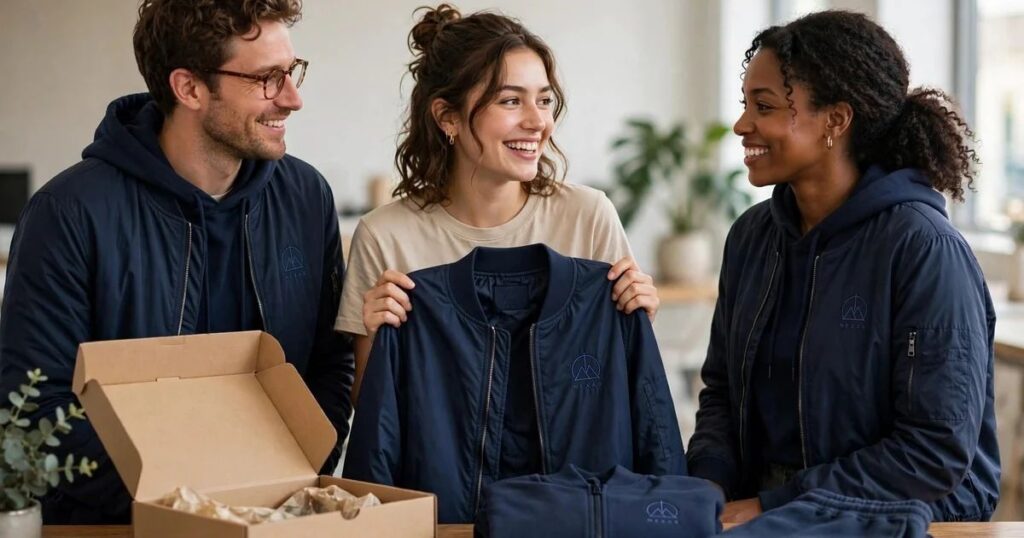
A jacket with the company logo worn on a cold morning commute. A comfortable pair of branded sweatpants worn during a remote team call. A matching set of apparel handed to new hires on their first day. These items may seem small, but they quietly communicate belonging, pride, and identity.
Branded apparel is not a substitute for good leadership or a healthy workplace. But when it is chosen thoughtfully, it can reinforce the culture an organization is trying to build. This article explores how branded clothing influences company culture, seen through the experiences of the different people it touches.
Why Clothing Carries Meaning at Work
Humans have always used clothing to signal group membership. Uniforms, colors, and insignia have marked teams, organizations, and communities for centuries. In the workplace, branded apparel continues that tradition in a more relaxed, modern form.
When employees choose to wear company clothing outside of work, they are making a small public statement that they are comfortable being associated with their employer. That choice is meaningful precisely because it is voluntary. No one wears a branded hoodie on the weekend unless they like it and feel some connection to what it represents.
This is why the quality and style of branded apparel matter so much. Clothing that people actually want to wear becomes a natural expression of culture. Clothing that sits unused in a drawer communicates very little.
Through the Eyes of New Employees
The First-Day Experience
Starting a new job can feel uncertain. New hires are learning names, systems, and expectations all at once. Receiving a thoughtfully chosen welcome kit, including a few pieces of branded apparel, sends an immediate signal: you are part of this team now.
That moment can shape how a new employee feels about the organization in the crucial early weeks. A well-made jacket or comfortable set of loungewear feels like a genuine welcome. A cheap, ill-fitting T-shirt can feel like an afterthought.
Visible Belonging
Wearing the same apparel as colleagues helps new employees feel included more quickly. It removes a small barrier between newcomers and established team members, especially at events, offsites, or team gatherings.
Through the Eyes of Established Teams
Shared Identity
For longer-serving employees, branded apparel can reinforce a sense of shared identity, especially in organizations that have grown quickly or operate across several locations. Wearing the same jacket at a company event or team-building day is a simple reminder that everyone is working toward the same goals.
Recognition and Milestones
Some organizations use apparel to recognize achievements, such as work anniversaries, completed projects or company milestones. A special-edition jacket or limited design can become a meaningful symbol of contribution, much like a team jacket in sport.
The Appeal of Premium Outerwear
Outerwear tends to carry particular weight in these programs because it is worn often, seen by many people, and kept for years. Many organizations choose versatile, structured jackets that work across casual and smart casual settings. Companies building recognition or welcome programs frequently source wholesale Bomber Jackets and add a small embroidered logo, giving staff a jacket that feels premium enough to wear outside work while keeping costs manageable across a large team.
Through the Eyes of Remote and Hybrid Workers
Remote and hybrid work has changed how culture is built. When colleagues rarely share the same physical space, the small rituals and shared experiences of office life become harder to maintain.
Apparel as a Physical Connection
For remote employees, branded clothing can provide a tangible link to the organization. A package arriving at home with company apparel is a reminder that they are part of a wider team, even if they work alone most days.
Comfort-Focused Pieces
Remote work has also shifted what types of branded apparel employees value. Instead of formal shirts or stiff jackets, many prefer comfortable pieces they will actually wear at home: hoodies, soft tees, and loungewear. Sweatpants, once rarely considered for company merchandise, have become a popular choice for remote welcome kits and team comfort packs. Organizations shipping kits to distributed teams often order bulk sweatpants in a neutral color with a subtle logo, since they suit a wide range of people and are likely to be worn regularly.
Shared Moments Across Distance
Some companies plan virtual events where everyone wears their company apparel on camera. These small, shared moments can help distributed teams feel more connected.
Through the Eyes of Clients and Visitors
Branded apparel also shapes how others perceive an organization.
Professional Presentation
When staff at a trade show, client meeting, or public event wear coordinated apparel, the organization looks organized and unified. Visitors can easily identify who to speak with, and the brand is reinforced through every interaction.
Authentic Advocacy
When employees wear company apparel in everyday life, they become informal ambassadors. People may ask about the logo, opening conversations about the organization. Because this advocacy is voluntary, it often feels more authentic than traditional marketing.
Through the Eyes of Leadership
For leaders, branded apparel can be a useful tool for reinforcing culture, but it must be used thoughtfully.
Aligning Apparel With Values
The choice of apparel says something about an organization’s values. A company that values sustainability might prioritize durable pieces that last for years. A company focused on wellbeing might choose comfortable, practical clothing. A company proud of craftsmanship might invest in high-quality materials and careful embroidery.
Avoiding Mixed Messages
Apparel that feels cheap or poorly chosen can undermine messages about quality or care. Leaders should consider whether the apparel they provide reflects the culture they want to build.
Inclusivity
Branded apparel should work for everyone. Offering a full range of sizes, comfortable fits, and styles that suit different preferences helps ensure that no one feels excluded.
What Makes Branded Apparel Successful
Across all these perspectives, a few qualities consistently separate effective branded apparel from items that go unused.
Quality
Employees notice quality. Soft fabrics, good stitching and colors that hold up after washing make apparel feel like a genuine gift rather than a promotional item.
Wearability
The most successful pieces are those people would choose to wear even without the logo. Versatile styles in neutral colors tend to be worn more often.
Subtle Branding
Large, loud logos can limit when and where people feel comfortable wearing apparel. Smaller, tasteful logos and clean designs often see much more use.
Choice
Allowing employees to choose from a small selection of items, or choose their preferred fit, increases the likelihood that they will wear what they receive.
Consistency
Using consistent colors, logo placement, and quality across items helps apparel reinforce a clear, recognizable brand identity.
Seasonal and Event-Based Apparel
Some of the most memorable branded apparel is tied to a specific moment rather than handed out year-round. Company anniversaries, product launches, annual retreats, charity runs, and holiday celebrations all create opportunities for special-edition designs.
These pieces often carry more emotional weight than everyday merchandise because they are linked to a shared experience. Years later, an employee may still wear the jacket from a memorable offsite or the hoodie from the year the company reached an important milestone.
Seasonal timing also matters. Warm layers distributed at the start of colder months are more likely to be worn immediately, while lightweight pieces suit summer events. Planning apparel around the calendar helps ensure that what employees receive fits the moment and the weather.
Organizations sometimes undermine their own apparel programs. Common pitfalls include choosing the cheapest option available, offering limited sizes, using oversized logos that employees feel self-conscious wearing, distributing items that do not suit the climate or work style, and treating apparel as a one-time giveaway rather than part of an ongoing culture strategy.
Avoiding these mistakes does not require a large budget. It requires thinking about apparel from the perspective of the people who will actually wear it.
Apparel as Part of a Bigger Picture
It is important to keep branded apparel in perspective. Clothing cannot fix a workplace with poor management, unclear goals, or unfair treatment. Employees will not feel connected to a company simply because they received a jacket.
But in organizations that are already working to build a positive culture, apparel can amplify that effort. It gives culture a physical form. It creates shared moments, marks milestones, and makes belonging visible.
Conclusion
Branded apparel plays a meaningful role in company culture when it is chosen with care. New employees feel welcomed, established teams feel unified, remote workers feel connected, clients see a professional organization, and leaders gain a tangible way to express values.
The key is to focus on what people will genuinely want to wear: quality pieces, comfortable fits, versatile styles, and tasteful branding. When apparel meets those standards, employees choose to wear it, and that choice becomes one of the clearest signals of a culture people are proud to be part of.
FAQs
Why do companies give employees branded apparel?
Companies use branded apparel to welcome new hires, build team identity, recognize achievements, and create a visible sense of belonging, while also increasing brand visibility.
What branded apparel do employees actually wear?
Employees tend to wear comfortable, high-quality, versatile items with subtle branding, such as jackets, hoodies, tees, and loungewear.
How can remote teams use branded apparel?
Remote teams often send welcome kits or comfort packs with apparel, and some hold virtual events where everyone wears company clothing to create shared moments.
Should company logos be large or small?
Smaller, tasteful logos are often preferred because employees feel more comfortable wearing them in everyday settings.

Wild Rise is a trusted SEO and digital outreach agency specializing in high-quality guest posting and link-building services. With access to 5,000+ personal author accounts across premium websites, we help brands secure reliable editorial placements. Owned by Mirza Shahzaib.